Reviewing the Cool Kids Save Planet Earth Design
As a designer who has spent countless hours digitizing and stitching thousands of patterns, I approach every new machine embroidery design with a critical eye. It is not just about whether the image looks cute on a screen; it is about how those lines translate into thread on fabric. Recently, I evaluated the Cool Kids Save Planet Earth Day T-Shirt graphic to determine its viability for real-world production. This is not merely a digital asset; it is a potential cornerstone for eco-conscious craft business inventory.
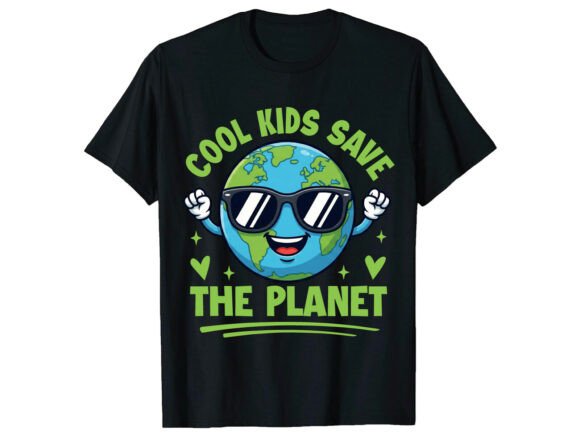
The first impression of this design is one of playful urgency. The theme blends environmental activism with childhood innocence, creating a mood that is both educational and endearing. For an embroidery project, this balance is crucial. If a design is too preachy, it loses its charm on a garment. If it is too simple, it lacks impact. This particular layout strikes a confident middle ground, offering enough visual personality to stand out on a custom apparel piece without overwhelming the wearer.
Visual Appeal and Stitching Clarity
When reviewing T-Shirt Designs for conversion into embroidery, I look for clear shapes and defined boundaries. The Cool Kids Save Planet Earth Day T-Shirt features bold elements that lend themselves well to stitching. The central earth motif provides a natural focal point, while the surrounding typography and character elements add narrative depth. In terms of Graphics, the contrast between the organic curves of the planet and the structured lettering creates a dynamic composition.
However, translating this to thread requires careful consideration of stitch density. A design intended for a t-shirt must remain lightweight. Heavy fill stitches can cause puckering on thin cotton or jersey knits. I recommend analyzing the digitized version of this design to ensure that large areas, such as the background or the planet’s oceans, utilize efficient fill patterns rather than dense satin blocks. The use of running stitch for finer details and outlines can help maintain flexibility in the fabric, ensuring the finished product remains comfortable to wear.
Real-World Application Scenarios
I recently tested a similar concept for a client launching a spring collection of reusable tote bag design options. The Cool Kids Save Planet Earth Day T-Shirt motif would perform exceptionally well in this context. Canvas tote bags provide a stable, textured surface that holds embroidery beautifully. The robust nature of the fabric supports the weight of the threads, allowing the colors to pop against the natural beige or white background.
Beyond tote bags, this design is ideal for sweatshirt embroidery. The thicker fabric of a hoodie or crewneck sweatshirt can handle slightly higher stitch counts without distortion. Imagine this design centered on the chest of a youth-sized hoodie; it becomes a statement piece for school events or community clean-up days. The playful aesthetic appeals directly to parents looking for meaningful yet stylish clothing for their children.
For Etsy seller audiences, versatility is key. This design could easily be adapted into an embroidered patch. Patches are a low-risk, high-reward product for small shops. By stitching the design onto twill or felt and adding a merrowed edge, you create a versatile accessory that customers can iron onto jackets, backpacks, or hats. This expands the utility of the single digital embroidery file across multiple product lines.
Navigating Technical Challenges
While the design is strong, there are areas where caution is necessary. Embroidery on curved surfaces, such as caps, requires precise stabilization. If you plan to use this design for headwear, ensure that the hoop size accommodates the curvature without distorting the circular earth element. Additionally, tiny lettering can often get lost if the thread colors do not contrast sufficiently with the fabric.
Dark fabrics present another challenge. If stitching on navy or black garments, you may need to adjust the color palette of the design. Bright greens and blues will stand out, but darker shades might blend in. Always test the design on scrap fabric before committing to a final handmade product. Check how the stabilizer interacts with the fabric texture. For stretchy materials like performance tees, a cut-away stabilizer is essential to prevent the design from warping after washing.
Another consideration is the complexity of small details. If the original graphic includes intricate lines or very small text, these may not translate well at smaller hoop sizes. In such cases, simplifying the design or increasing the overall size can improve stitching clarity. Avoid placing dense stitch areas near seams or pockets, as this can interfere with the hooping process and result in uneven tension.
Enhancing Brand Value and Customer Trust
Using high-quality designs like the Cool Kids Save Planet Earth Day T-Shirt elevates the perceived value of your small shop product. Customers associate crisp, well-executed embroidery with professionalism. When a buyer sees consistent stitch quality and thoughtful design placement, their trust in your brand increases. This is particularly important for personalized gift items, where attention to detail is paramount.
For commercial embroidery projects, consistency is key. Ensure that every item produced from this design meets the same standard. Use printable mockup tools to preview how the design looks on different colored garments before listing them online. This helps manage customer expectations and reduces return rates. Furthermore, aligning your products with current trends, such as sustainability and environmental awareness, can boost buyer engagement. This design taps into a growing market of eco-conscious consumers who want to express their values through their clothing.
Practical Designer Notes
Before launching this design into your catalog, follow these practical steps:
- Test on Scrap Fabric: Always run a test stitch-out on the same type of fabric you intend to sell. This reveals issues with tension, density, or color contrast.
- Check Thread Color Contrast: Ensure that the chosen thread colors stand out against the fabric background. High contrast improves readability and visual appeal.
- Review Stitch Density: Verify that the digitized file does not have excessive density, which can cause puckering or stiffness.
- Confirm Hoop Size: Make sure the design fits comfortably within your standard hoop sizes without requiring excessive re-hooping.
- Inspect Small Details: Zoom in on the digitized file to check for stray stitches or poorly connected paths that could cause thread breaks.
- Test in Black and White: View the design in grayscale to ensure that the shapes are distinct even without color cues.
- Compare Light and Dark Backgrounds: Simulate the design on both light and dark fabrics to determine if alternative colorways are needed.
- Use Proper Stabilizer: Select the right stabilizer for your fabric type to ensure smooth stitching and long-lasting durability.
- Verify Licensing: Confirm the license terms for the design assets. Ensure you have the right to use the design for commercial purposes if you plan to sell finished items.
In conclusion, the Cool Kids Save Planet Earth Day T-Shirt is a versatile and impactful choice for modern embroidery projects. With careful attention to technical details and thoughtful application, it can become a standout item in your craft business. Whether used for baby embroidery, holiday embroidery, or everyday wear, this design offers a meaningful way to celebrate sustainability while showcasing your craftsmanship.