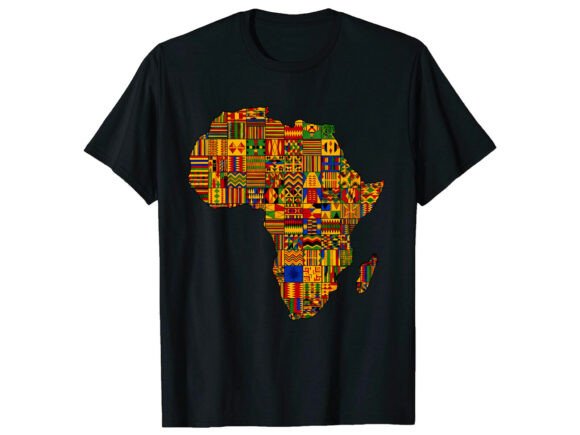
Reviewing the Africa Black History Month T-Shirt Design
As an embroidery designer who has spent years translating digital graphics into tangible, stitched reality, I approach every new file with a mix of curiosity and caution. We have all been there: you download a stunning T-Shirt Designs asset, only to find that the intricate details collapse under the needle or the color transitions look muddy on textured fabric. Recently, I evaluated the Africa Black History Month T-Shirt design to determine its viability for real-world projects. This is not just a graphic; it is a statement piece intended to celebrate culture, strength, and heritage. My goal was to assess how this specific Graphics asset performs when moved from the screen to the hoop.
First Impressions: Mood and Visual Weight
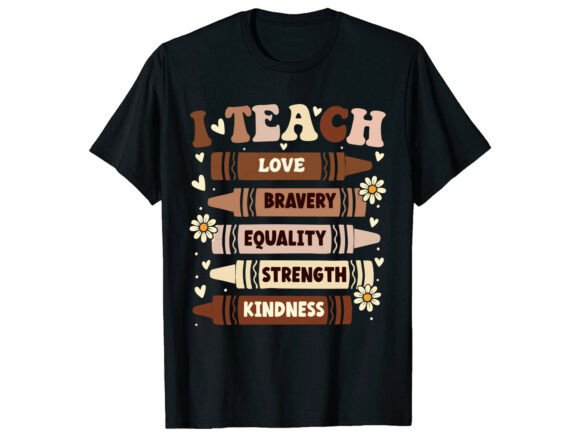
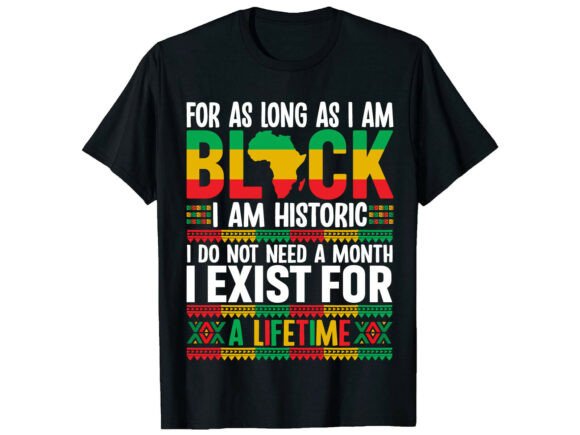
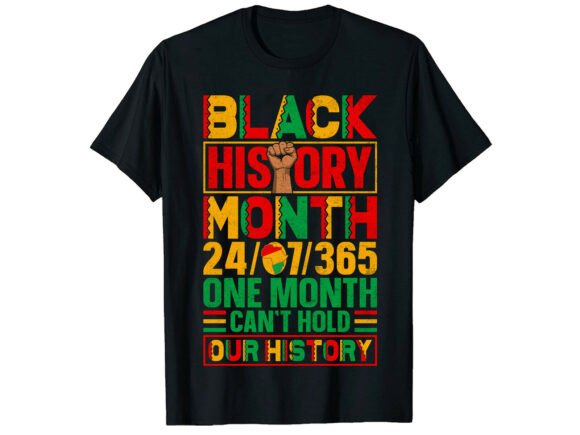
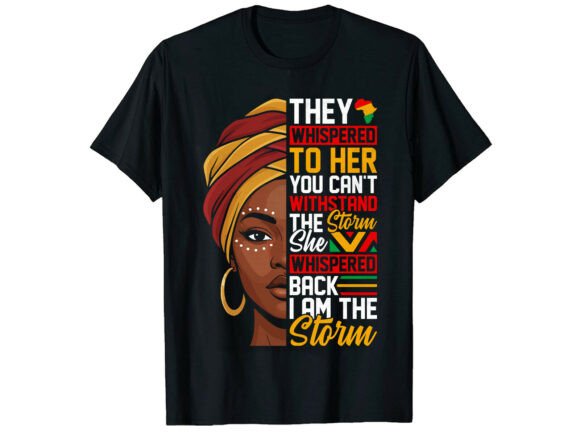
The first thing that strikes you about the Africa Black History Month T-Shirt design is its commanding presence. It does not rely on subtle whispers; it speaks loudly. The layout appears balanced, focusing on themes of resilience and achievement. For an embroidery project, visual weight is critical. If a design is too light, it gets lost on dark garments; if it is too dense, it creates a stiff, cardboard-like feel on soft fabrics. From a reviewer’s perspective, this design seems to strike a thoughtful middle ground. It honors African American history without becoming visually cluttered, which is a common pitfall in commemorative apparel.
The thematic elements suggest a need for bold thread choices. When I visualize this as a machine embroidery design, I immediately think about high-contrast thread colors. The design’s personality lends itself well to rich earth tones, deep blacks, and vibrant accents that reflect the diversity and vibrancy of the culture it represents. It feels appropriate for a wide range of applications, from serious boutique merchandise to heartfelt personalized gifts.
Real-World Application: Beyond the Standard Tee
While the title specifies a t-shirt, my experience tells me that versatile design assets should be tested across various substrates. I imagined using this file for a custom sweatshirt embroidery project. Sweatshirts provide a stable, thick canvas that can handle moderate stitch density without puckering. The result would likely be a premium, heavyweight feel that customers associate with quality.
I also considered its potential as a tote bag design. Canvas totes are popular among Etsy sellers and craft fair vendors. The broad, open areas of the design would translate well to a larger hoop size, allowing for impressive scale. However, because canvas has a distinct weave, I would recommend adjusting the underlay stitches to ensure the design sits on top of the texture rather than sinking into it. Another interesting application could be an embroidered patch. By adding a satin stitch border, this design could become a removable badge of pride, suitable for jackets or backpacks, extending its lifecycle beyond a single garment.
For those creating holiday embroidery gifts or items for Black History Month celebrations, this design offers a ready-made solution. It saves time on conceptualization, allowing the maker to focus on execution. Whether used for a custom apparel line or a one-off personalized gift, the emotional resonance of the imagery adds significant value to the finished product.
Technical Considerations and Stitching Clarity
When evaluating any digital embroidery file, we must look at the mechanics. How does it handle corners? Are there tiny details that might break? The Africa Black History Month T-Shirt design appears to prioritize clarity. In embroidery, less is often more. Overly complex Graphics can turn into a tangled mess of thread breaks and bird nests. This design seems to respect the limitations of the needle.
However, attention must be paid to stitch density. If the design uses heavy fill stitch areas, it is crucial to test on scrap fabric first. High density can cause pulling, especially on lighter materials. I recommend using a cut-away stabilizer for knit fabrics like t-shirts to prevent distortion after washing. For woven fabrics, a tear-away might suffice, but always test first. The use of running stitch for finer details or outlines can help define shapes without adding excessive bulk, enhancing the overall professionalism of the piece.
Lettering, if included in the specific variation of the file, requires careful scrutiny. Small text can easily become illegible if the stitch count is too low or the font is too thin. Ensure that any text elements are large enough to be read clearly from a distance. This affects customer trust and the perceived quality of your small shop product.
Fabric Choices and Potential Pitfalls
Not every fabric is a friend to every design. While this applique design or standard embroidered graphic may look perfect on cotton, caution is needed with stretchy or thin fabrics. On a fitted tee, a dense design can restrict movement and comfort. I advise against placing large, heavy designs on the side seams or areas of high stretch.
Dark fabrics present another challenge. If the design relies on black threads for outline or detail, it will vanish on a black shirt. In such cases, consider using a contrasting underlay or choosing a garment color that allows the design to pop. Testing the design in black and white mockups can help you visualize contrast issues before you even thread the machine. Additionally, curved surfaces like caps require specialized digitizing. Unless this file is specifically optimized for caps, avoid forcing it onto a hat, as the geometry will distort the image.
Business Value and Brand Consistency
For commercial embroidery professionals and craft business owners, consistency is key. Using a well-balanced design like the Africa Black History Month T-Shirt helps maintain brand integrity. It shows that you care about the message and the medium. Customers can sense when a design has been rushed or poorly executed. A clean, well-stitched piece builds recognition and encourages repeat business.
Furthermore, this design supports storytelling. When you sell a handmade product, you are selling a narrative. This design provides a strong visual anchor for that story. It can be featured prominently in printable mockup previews for online listings, helping potential buyers visualize the final item. Strong visuals drive engagement, and meaningful designs drive sales.
Practical Designer Notes for Success
Before you commit to production, here are my top recommendations for working with this file:
- Test on Scrap Fabric: Always run a test stitch-out on the same material you plan to use for the final product. Check for puckering, thread breaks, and color accuracy.
- Check Thread Contrast: Ensure your thread colors stand out against the garment. Use a color wheel to find complementary or high-contrast pairings.
- Verify Hoop Size: Confirm that the design fits within your machine’s maximum hoop size. If resizing, do so within the software’s limits to avoid distorting stitch angles.
- Inspect Small Details: Zoom in on the design in your embroidery software. Look for tiny jumps or redundant stitches that can be trimmed to improve efficiency.
- Confirm Licensing: Before selling finished items or digital products, verify the license terms. Ensure you have the right to use the embroidery file for commercial purposes.
- Use Proper Stabilizer: Match your stabilizer to your fabric. Knits need support; wovens need less. The wrong stabilizer can ruin an otherwise perfect stitch-out.
In conclusion, the Africa Black History Month T-Shirt design offers a compelling blend of cultural significance and aesthetic appeal. With careful attention to technical details and fabric selection, it can elevate your embroidery project from simple decoration to meaningful art. Whether you are an experienced decorator or a hobbyist looking to create a special gift, this design warrants a spot in your library. Treat it with respect, stitch it with precision, and let it speak its truth.