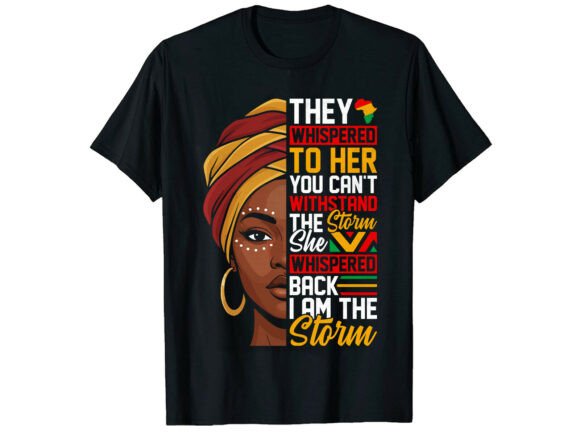
Reviewing the Pretty Black History Month T-Shirt Design
As an embroidery designer who has spent years translating digital art into thread, I approach every new machine embroidery design with a mix of curiosity and caution. We have all been there: you download a beautiful graphic, load it onto your machine, and hope for the best. But when the needle hits the fabric, reality sets in. Does the design hold up? Is the stitch density manageable? Does it look professional? Today, I am taking a close look at the Pretty Black History Month T-Shirt design to see if it truly delivers on its promise of celebrating culture, strength, and heritage in a way that works for real-world projects.
First Impressions: Mood and Visual Personality
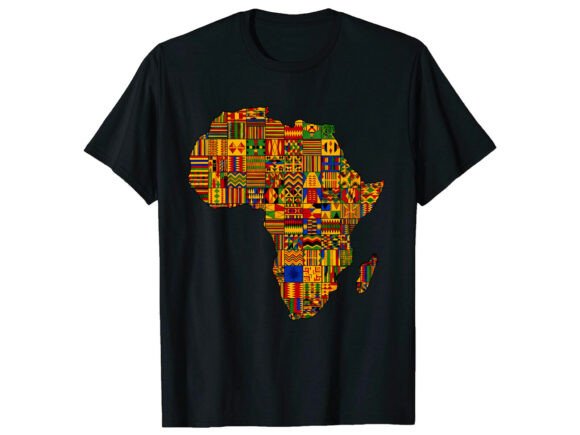
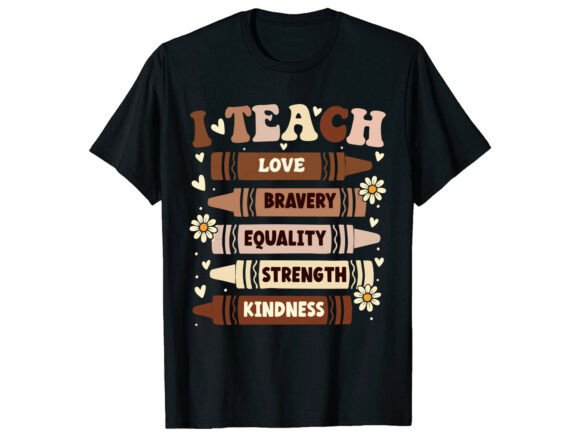
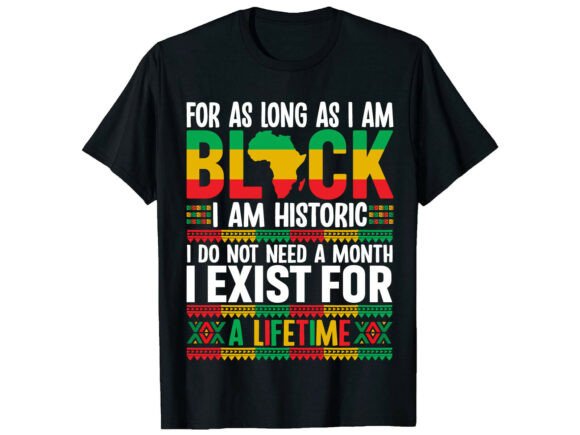
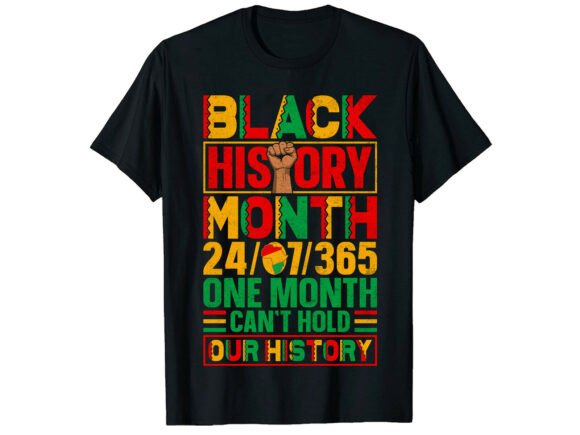
The first thing that strikes me about the Pretty Black History Month T-Shirt is its balance between boldness and elegance. Many designs in this category lean heavily into text-heavy layouts or overly complex illustrations that can become a nightmare to stitch. This design, however, feels intentional. It captures a mood of resilience and pride without feeling cluttered. The layout suggests a clear focal point, which is crucial for embroidery. When we talk about T-Shirt Designs and Graphics, we are often looking at flat images. But as embroiderers, we need to think in terms of texture and dimension.
The visual personality here is warm and inviting. It does not scream for attention; rather, it invites the viewer to look closer. For a designer, this is a good sign. It means the lines are likely clean, and the shapes are distinct. This clarity is essential when converting a concept into an embroidery file. If the original artwork is muddy, the stitched result will be too. From what I can assess, this design has the structural integrity needed for a high-quality finished product.
Real-World Application: Beyond the T-Shirt
While the title specifies a t-shirt, my mind immediately goes to other applications. Let us consider a real-life scenario. Imagine you are preparing a custom order for a local community center hosting a Black History Month event. They want something more durable and premium than a printed tee. You decide to use this design on a heavy-weight canvas tote bag design.
Why a tote? Because the surface area allows the design to breathe. On a small pocket, details might get lost. On a large tote, the satin stitch elements can shine, and the fill stitch areas have room to lay flat without puckering the fabric. I can also see this working beautifully on a sweatshirt embroidery project. The soft texture of fleece or French terry cloth pairs well with designs that honor heritage, creating a cozy yet powerful statement piece.
For Etsy sellers and craft business owners, versatility is key. This design could easily transition into a personalized gift for a teacher, a librarian, or a community leader. Imagine it stitched onto a structured cap or even as part of an embroidered patch that can be ironed onto jackets. The adaptability of the design makes it a valuable asset for any small shop product lineup.
Technical Considerations for Stitching Success
Now, let us get into the nitty-gritty. As much as I love the aesthetic, I need to know how it behaves under the needle. Since specific technical data like exact stitch count or file formats are not provided in the brief description, I must advise you to check these details before purchasing or committing to a large batch. However, based on typical designs in this genre, here is what you should watch for.
Fabric Texture and Stabilizer: If you are stitching this on a thin cotton t-shirt, you must use a cut-away stabilizer. The weight of the thread, especially if there are dense fill areas, can cause lightweight fabrics to pucker. For heavier items like hoodies or tote bags, a tear-away might suffice, but always test on scrap fabric first. The interaction between thread colors and fabric texture is critical. Dark fabrics require careful thread selection to ensure the design pops without looking messy.
Hoop Size and Placement: Confirm the required hoop size before you start. If the design is large, you may need a 5x7 or 6x10 hoop. Placing a large design on a curved surface, like the front of a cap, requires experience and possibly a different digitizing approach. If this design was originally created for flat garments, it might distort on a hat. Always inspect small details. Tiny lettering or intricate corners can break or look jagged if the stitch density is too high for the thread weight you are using.
Color Contrast: Test the design in black and white mockups. This helps you understand the value structure. If the design relies solely on color to define its shape, it might lose impact when stitched with limited thread palettes. Ensure there is enough contrast between the design elements and the background fabric. This is particularly important for commercial embroidery where brand consistency and professionalism are paramount.
Enhancing Product Value and Customer Trust
Using a well-chosen design like the Pretty Black History Month T-Shirt does more than just decorate a garment; it elevates the perceived value of your handmade product. Customers can tell the difference between a cheap print and a carefully stitched emblem. Embroidery adds tactile depth that prints cannot match. This tangibility builds trust. When a customer receives a custom apparel item with crisp, clean stitching, they feel they have received something special.
For digital embroidery file sellers, offering a design that is easy to stitch and looks great on multiple items can lead to repeat customers. If other makers buy your file and have success with it, they will return. For those selling finished goods, this design can be a centerpiece for holiday embroidery collections or year-round cultural celebration items. It fits seamlessly into design assets for boutique branding, helping you create a cohesive look across your product line.
Final Verdict and Practical Advice
The Pretty Black History Month T-Shirt design appears to be a strong contender for your next embroidery project. It honors African American history and resilience with a visual language that is both respectful and stylish. However, success lies in the execution.
- Test First: Always stitch out a sample on the same fabric you plan to use for the final product.
- Check Licensing: Confirm whether the license allows for commercial use if you plan to sell finished items.
- Mind the Details: Pay attention to running stitch outlines and ensure they are secure.
- Context Matters: Consider where the item will be worn or used. A delicate design might not suit a rugged work apron, but this design seems robust enough for various uses.
In conclusion, this design offers a meaningful way to celebrate culture through craft. Whether you are an experienced decorator or a hobbyist looking to create a personalized gift, taking the time to understand the technical requirements will ensure your final piece is something you can be proud of. Embrace the process, respect the materials, and let the thread do the talking.