Reviewing the New York Senior 2026 Design for Real Embroidery
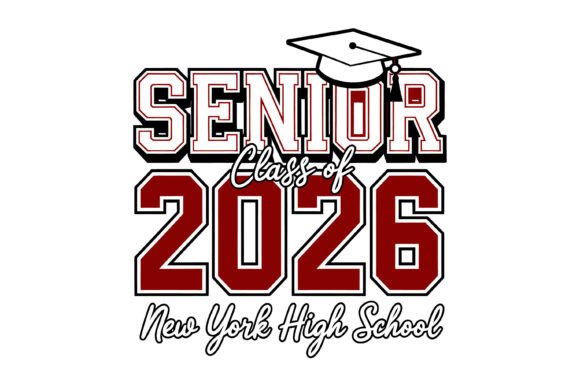
As a designer who has spent years digitizing patterns and reviewing countless files for commercial use, I approach every new machine embroidery design with a mix of curiosity and skepticism. We have all been there: you download a file that looks crisp on the screen, only to find it puckers the fabric or loses its legibility once the needle hits the cloth. Today, I am taking a close look at the New York Senior 2026 Design. This is not just another generic graduation graphic; it is a specific typographic piece aimed at the Class of 2026, and I want to determine if it holds up in real-world production.
The first thing that strikes me about this Graphics package is its clean, vector-based foundation. The product description notes that you receive SVG, PDF, JPEG, PNG Transparent, and EPS editable files. For an embroidery professional, the presence of SVG and EPS is crucial. It means the typography is scalable without losing edge definition, which is vital when we are converting these lines into stitch paths. The mood here is modern, academic, and celebratory, capturing that specific New York energy—bold, direct, and stylish. It feels less like a childish cartoon and more like a boutique brand asset, which immediately broadens its appeal beyond just high school seniors.
Real-World Application: The Custom Tote Bag Test
To truly evaluate a design, you have to imagine it on a physical product. Let’s consider a common request I receive from clients: a custom embroidered tote bag for a graduation party favor. The New York Senior 2026 Design fits this application beautifully. Because the design relies heavily on typography, it reads well from a distance. When I visualize this stitched onto a heavy canvas tote, the bold lines of the "New York" and "2026" elements provide a strong visual anchor.
For an Etsy seller or small shop product creator, this versatility is key. You are not limited to just one item. This design transitions seamlessly into sweatshirt embroidery, where the soft texture of fleece can sometimes swallow up delicate details. However, because this design appears to have substantial lettering, it should maintain its integrity on thicker fabrics. It also works wonderfully for custom apparel like hoodies or crewnecks, which are staple items for senior class merchandise. The clean lines allow the thread texture to shine, giving the finished product a premium, handmade feel rather than a mass-produced print look.
Stitching Clarity and Fabric Considerations
When we talk about stitch density and clarity, typography designs can be tricky. If the letters are too thin, they disappear into the fabric weave. If they are too dense, the fabric puckers. Based on the vector nature of this digital embroidery file, I anticipate that a skilled digitizer (or you, if you are converting it yourself) will need to pay close attention to the underlay.
I recommend using a cut-away stabilizer for this type of design, especially if you are working on stretchy fabrics like jersey knits for t-shirts. The stability provided by the cut-away will ensure that the "2026" numerals remain sharp and do not distort after washing. For woven fabrics like cotton twill or denim, a tear-away stabilizer might suffice, but always test first. The thread colors you choose will dramatically affect the outcome. A classic navy blue on white cotton screams "prep school chic," while a metallic gold on black velvet creates a luxurious, evening-event vibe. This design allows for that kind of creative experimentation.
One area where caution is needed is with tiny lettering. If the design includes smaller sub-text or intricate decorative elements within the "New York" typography, you must check the minimum stitch length. On curved surfaces like caps or hats, small details can become distorted. If you plan to use this as a embroidered patch or on a cap, I suggest enlarging the design slightly to ensure every curve and corner stitches out cleanly. Avoid using this on very textured fabrics like thick wool or looped towels unless you are using a satin stitch border to define the edges, as the background texture can interfere with the readability of the text.
Commercial Viability and Brand Consistency
For craft business owners, the value of a design lies in its ability to sell. The New York Senior 2026 Design has strong commercial potential because it targets a specific, time-sensitive market: the graduating class of 2026. This urgency drives sales. Furthermore, the aesthetic is versatile enough to fit into various branding styles. Whether you are selling personalized gift items for parents or bulk orders for school spirit stores, the design looks professional.
It is important to note that while this is categorized under T-Shirt Designs, its utility extends far beyond apparel. Think about holiday embroidery gifts for graduates, such as pillow covers or blankets. The design’s clean layout makes it suitable for home decor items as well. When creating printable mockup images for your online store, the transparent PNG included in the package will be invaluable. It allows you to place the design over various product photos quickly, giving customers a realistic preview of what the handmade product will look like.
However, always verify the licensing terms. The product description mentions you receive editable files, but it does not explicitly state the commercial usage rights for the digitized embroidery version. If you are hiring someone to convert this SVG into a stitch file, ensure you have the right to sell the resulting commercial embroidery products. Clear communication with your client about what they are buying—whether it is the physical item or the digital asset—is essential for maintaining trust and professionalism.
Practical Designer Notes for Best Results
Before you commit to stitching this on a final garment, follow these practical steps to ensure success:
- Test on Scrap Fabric: Always run a test stitch-out on the same type of fabric you intend to use for the final product. This helps you identify any tension issues or registration errors.
- Check Thread Contrast: High contrast between the thread and the fabric enhances readability. Use a light thread on dark fabric and vice versa. Avoid low-contrast combinations unless you are aiming for a subtle, tonal effect.
- Review Stitch Density: If you are digitizing this from the SVG, ensure the stitch density is appropriate for the fabric weight. Too dense, and you risk perforating the material; too sparse, and the fabric may show through.
- Confirm Hoop Size: Measure the design dimensions against your machine’s hoop capacity. This design likely fits standard hoops, but always double-check to avoid resizing issues that could distort the typography.
- Inspect Small Details: Zoom in on the vector file to check for any overlapping paths or tiny nodes that might cause stitching errors. Clean up the vector before conversion if necessary.
- Mockup in Black and White: Sometimes, color distracts from structural issues. View the design in grayscale to ensure the balance and weight of the typography are correct.
In conclusion, the New York Senior 2026 Design is a strong contender for your spring and summer project lineup. It offers the flexibility needed for diverse applications, from baby embroidery keepsakes to bold tote bag design statements. By paying attention to fabric choice, stabilizer selection, and stitch quality, you can transform this digital asset into a high-value embroidery project that delights customers and enhances your brand’s reputation for quality craftsmanship.