Review: Personalized Puzzle Family Sign SVG for Embroidery
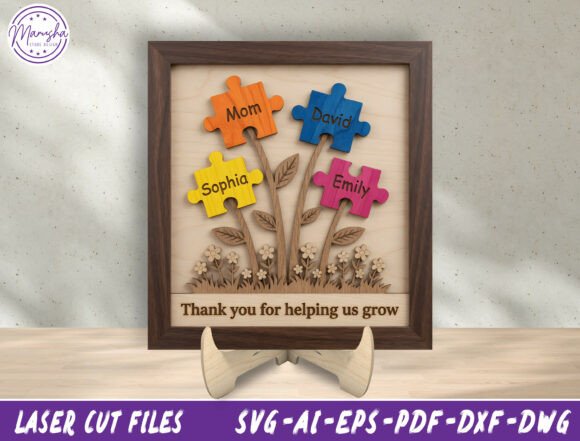
As a designer who spends half my life staring at digitized paths and the other half pulling bobbins out of tangled messes, I have learned to look past the pretty preview images. When I first opened the Personalized Puzzle Family Sign SVG, my immediate reaction was not just about aesthetics, but about structural integrity. We often see designs marketed for laser cutting that are repurposed for embroidery, and while the concept is charming, the execution requires a critical eye. This design, with its interlocking puzzle pieces representing loved ones, carries a heavy emotional weight, making it a prime candidate for high-value personalized gift projects. But does it hold up under the needle?
First Impressions and Visual Personality
The mood of this design is undeniably warm and inclusive. The puzzle motif is a classic symbol of connection, and when applied to family themes, it resonates deeply with customers looking for meaningful keepsakes. Visually, the layout relies on distinct shapes fitting together. For an embroidery designer, this presents both an opportunity and a challenge. The clean lines suggest a modern, minimalist approach, which fits well with current trends in custom apparel and home decor. However, because the original asset is labeled for Laser Cutting, we must assume the source file consists of vector paths rather than pre-digitized stitch data. This means the burden of translation from line to stitch falls entirely on you, the creator.
If you are using this as a reference for manual digitizing or converting it via software, the simplicity of the shapes is a blessing. Complex gradients are absent, allowing you to focus on color blocking and edge definition. The visual personality is playful yet structured, making it versatile enough for a child’s room or a sophisticated living space, depending on your thread choices.
Real-World Application: The Custom Tote Scenario
To truly evaluate the Personalized Puzzle Family Sign SVG, I imagined a specific real-life scenario: a custom order for a mother preparing a Mother S Day surprise. She wanted a sturdy canvas tote bag design that featured her family members as colorful puzzle pieces. This is a common request for Etsy seller platforms and small boutique shops. The appeal here is the customization; each piece can be a different color, representing individual personalities.
In this context, the design performs exceptionally well if handled correctly. On a heavy cotton canvas, the bold shapes of the puzzle pieces allow for solid fill stitch coverage without excessive puckering. The interlocking nature of the design means there are no isolated floating elements, which reduces the risk of thread jumps or loose ends. When stitched out, the contrast between the bright thread colors and the natural fabric texture created a striking, professional finish. The customer’s reaction to such a handmade product is usually one of delight, as the physical texture of the embroidery adds a layer of luxury that a printed graphic simply cannot match.
Beyond Bags: Apparel and Decor Considerations
While the tote bag is a safe bet, let’s consider sweatshirt embroidery. Here, the fabric texture changes the game. A fleece or French terry surface is plush and uneven. If the puzzle pieces are too small, the stitches may sink into the fabric, losing definition. For a finished product like a crewneck sweatshirt, I would recommend scaling up the design significantly. The bold outlines of the puzzle pieces work well with a satin stitch border to define the edges against the fuzzy background. This technique ensures that the embroidery project remains legible and visually appealing even after multiple washes.
For baby embroidery items, such as onesies or burp cloths, softness is paramount. High stitch density can make the fabric stiff and uncomfortable against sensitive skin. In this case, I would advise using the puzzle shapes as an outline for an applique design. By cutting fabric pieces in the shape of the puzzle segments and stitching them down with a narrow satin or running stitch, you maintain the visual impact of the Personalized Puzzle Family Sign SVG while keeping the garment soft and flexible. This is a crucial distinction for makers targeting the nursery market.
Technical Challenges and Where to Be Careful
No design is without its pitfalls. The primary concern with this specific SVG, given its origin as a laser cut file, is the potential for overly sharp corners or intricate intersections. In embroidery, sharp internal corners can cause thread buildup or breaks. If you are digitizing this yourself, you must round off these corners slightly to ensure smooth machine operation. Additionally, if the design includes tiny text or names within the puzzle pieces, caution is required. Small lettering on curved surfaces, like a cap or hat, can become distorted. Always test the legibility of any text elements at the intended size.
Another critical area is fabric choice. On stretchy fabrics like jersey knits, the tension from dense fill stitches can cause the garment to warp. Using a proper stabilizer is non-negotiable here. A cut-away stabilizer is often best for garments that will be washed frequently, as it provides ongoing support. For dark fabrics, consider the opacity of your thread colors. Bright, vibrant threads pop beautifully, but if you are using pastels, you may need an underlay stitch in white to prevent the fabric color from showing through and muddying the design.
Enhancing Value and Brand Consistency
From a business perspective, how you present this design affects its perceived value. A well-executed embroidery of the Personalized Puzzle Family Sign SVG signals professionalism. It shows that you understand scale, tension, and color theory. For craft business owners, consistency is key. If you offer this as part of a collection, ensure that the stitch style matches your other products. Do not mix heavy fill stitches with delicate running stitches unless it is a deliberate stylistic choice. This consistency builds trust with buyers who appreciate the quality of your design assets.
Furthermore, the "giftability" of this item is high. It is not just a product; it is a sentiment. When marketing this on platforms like Etsy, use high-quality photos that show the texture of the stitches. A printable mockup can help customers visualize the final result, but nothing beats a photo of the actual stitched item. Highlight the durability and the personal connection the puzzle theme offers. This emotional resonance is what converts browsers into buyers.
Practical Notes for the Embroidery Designer
Before you commit to producing a batch of these for your small shop product line, take these practical steps:
- Test on Scrap Fabric: Always run a test stitch-out on the same type of fabric you intend to use for the final product. This reveals issues with tension and density before you ruin good material.
- Check Thread Contrast: View your design in black and white. If the shapes blend together without color, the design lacks sufficient contrast in form. You may need to adjust spacing or add outlining.
- Verify Licensing: Since this is an SVG originally intended for laser cutting, confirm the license terms. Ensure you have the right to use the shape for commercial embroidery sales. Some creators restrict the use of their digital files to specific crafts.
- Inspect Small Details: Zoom in on the intersections of the puzzle pieces. Are there gaps? Overlaps? Clean up the vector paths before digitizing to avoid unnecessary stitch commands.
- Consider Hoop Size: Ensure the design fits comfortably within your standard hoop sizes. Leaving adequate margin around the design prevents hoop burns and allows for easier framing.
In conclusion, the Personalized Puzzle Family Sign SVG is a versatile and emotionally resonant design that, when treated with technical respect, can elevate your embroidery portfolio. It bridges the gap between modern graphic design and traditional craft, offering a unique opportunity for commercial embroidery success. By paying attention to fabric compatibility, stitch density, and presentation, you can transform a simple vector file into a cherished heirloom.